Biodiversity Exposure and Assessment
[GRI 304-1 (2016), 304-2 (2016), 304-3 (2016)]
EGCO Group developed its manual on environmental and social management systems in 2020. The company conducts surveys and risk assessments on natural ecosystems and biodiversity exposure in all power plants throughout the project development phase, construction phase, and operation phase.
The prevention, monitoring, and mitigation plan are also conducted in the long-term covering the entire contract period that is awarded concession. The aforementioned plan has received approval from different authorities at local, national, and international levels, which vary depending on the legal requirements of each operational area. Furthermore, EGCO Group has also informed the said operational plan to all relevant personnel across all functions. This ensures their acknowledgment and understanding, enabling stringent compliance to the guideline.
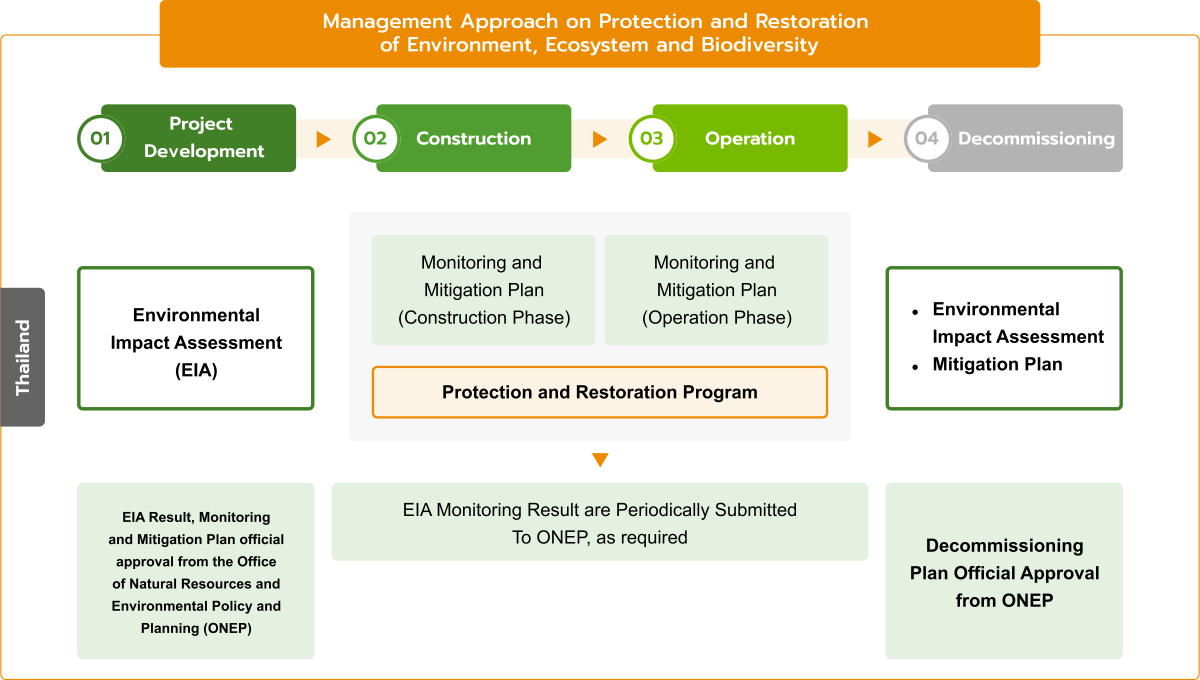
The Biodiversity Risk Assessment of EGCO Group's Power Plants
As of 2026, 100% of EGCO Group's power plants are located outside World Heritage sites and Alliance for Zero Extinction (AZE) sites, and 86% are situated outside National Reserved Forest areas. Four operational sites, including Khanom (KEGCO), Theppana Wind Farm (TWF), and Small Power Producer Four (SPP4), are in proximity to critical biodiversity areas, all with biodiversity management plans in place (100% coverage).
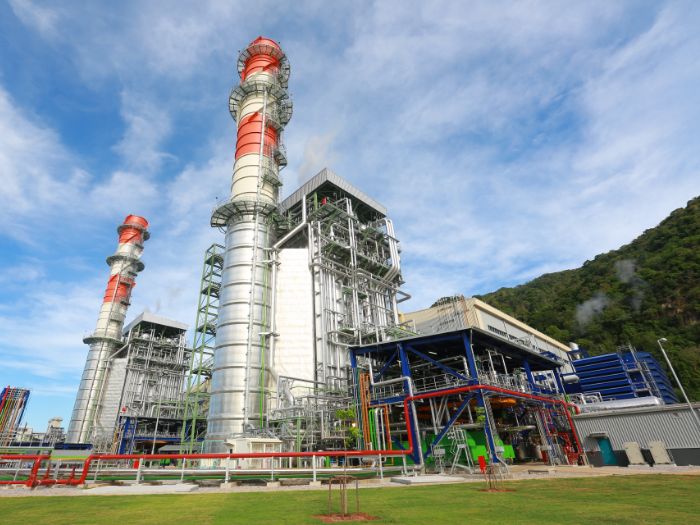
Khanom Electricity Generating Company Limited (KEGCO)
Area: 67.20 Hectare
Impact: Land and aquatic ecosystems in power plant operational areas
Prevention and Monitoring Plan
- Survey wildlife population once every year
- Consider restoring or offsetting impacts created by operations
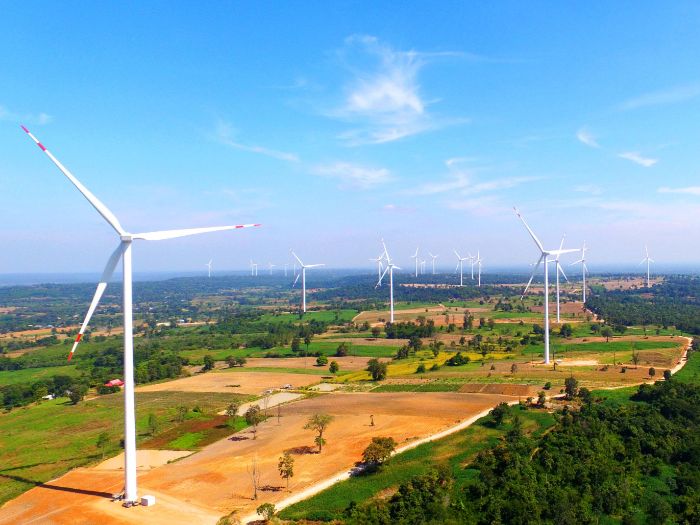
Theppana Wind Farm Company Limited (TWF)
Area: 0.53 Hectare
Impact: Land ecosystems in wind farm areas
Prevention and Monitoring Plan
- Consider restoring or offsetting impacts created by operations
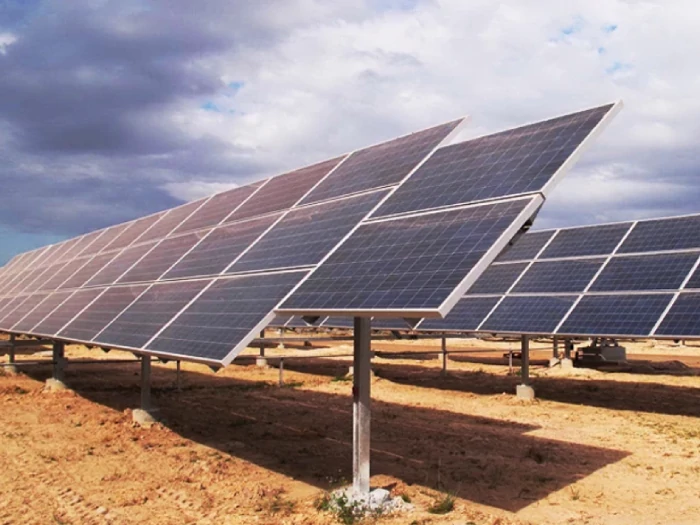
Small Power Producer Four (SPP4)
Area: 18.66 Hectare
Impact: Land ecosystems in solar farm areas
Prevention and Monitoring Plan
- Consider restoring or offsetting impacts created by operations