Corporate Social Responsibility Initiatives
EGCO Group’s corporate social responsibility programs follow the CSR Strategy “Energy for Life” which focus on creating positive impacts on communities and society. The programs integrate enhancing the quality of life, environment, and economic of local communities into business operations. This ensures that community and social development activities in all areas of EGCO Group’s operations are aligned in the same direction and standards.
Community
Local Stakeholder Engagement
EGCO Group promotes transparent and inclusive engagement with local stakeholders—including communities, authorities, NGOs, media, and associations—across all operating sites. Guided by international standards such as the AA1000 Stakeholder Engagement Standard and EGCO’s Stakeholder Engagement Procedure, the company integrates stakeholder input into decision-making while fostering long-term, mutually beneficial relationships.
Therefore, EGCO Group implements a structured stakeholder engagement approach to manage environmental and social impacts across its operations as follows:
- The company conducts Environmental and Social Impact Assessments (ESIA) to identify potential effects on local communities and 6-monthly monitoring and monitoring, and in 2023 partnered with the Sustainable Business Development Institute (SBDi) to strengthen engagement planning and develop implementation KPIs.
- Communication with communities is maintained through multiple channels, including the LINE OA, Sukjai Newsletter, digital platforms, and participation in local government forums.
- EGCO Group also conducts stakeholder dialogue workshops, site visits at multiple power plants i.e. KEGCO, Solarco, KLU, and BPU, and training programs to enhance engagement capacity among employees and communities.
- Annual satisfaction surveys are conducted at all power plants and all power plants held tripartite meetings and engagement activities aligned with their local plans and pandemic-related adjustments.
- EGCO Group maintains a formal grievance mechanism and achieved zero grievances across all managed sites.
- Stakeholder engagement procedures, aligned with ISO 26000 principles, are implemented across 100% of EGCO power plants.
In addition, EGCO Group also supports local employment to promote job creation and generate income for the local communities where EGCO Group’s power plants are located. Company provided three career support projects for people with disabilities. The projects are in line with the Company’s guidelines, including.
- Project of the Agricultural product store in the community.
- Cattle farming project.
- Store for the Disabled child (Down syndrome) project.
- Maintain updated stakeholder databases to support systematic identification and engagement of key local stakeholders.
- Assess community satisfaction to evaluate the effectiveness of stakeholder engagement practices.
- Facilitate tripartite meetings and community engagement programs to strengthen dialogue and collaboration with local stakeholders.
- Promote transparency and trust through open house activities that provide communities with insights into plant operations.
- Gather stakeholder perceptions on engagement strategies to improve responsiveness and community relations.
- Assess impact and collaboration of planning.
- Provide communication channels with local communities.
- Build capacity for stakeholder dialogue.
- Conduct stakeholder perception surveys and performance monitoring.
- Provide grievance. mechanism and results
- Standardize rollout across all sites.
Community Survey to Assess Environmental Impacts at New Khanom Power Plant Project
Khanom Power Plant conducts an annual community impact assessment to evaluate the economic, social, and environmental impacts on relevant stakeholders and gather public opinions on the project, covering 407 community residents and 4 representatives from government agencies.
The survey in 2025 covers the following areas:
- Socio-economic information of households and the community
- Availability and access to public utilities and healthcare services
- Environmental conditions and existing issues faced by the community
- Community awareness of, and opinions regarding, the project
- Raise awareness about the project among local communities.
- Improve the assessment of economic, social, and environmental impacts on the community.
- Assess the satisfaction level of the local community regarding the project.
- Engage directly with stakeholders through local community surveys with both open-ended and close-ended questions.
Quality of Life Development Projects
EGCO Group established community quality of life development projects to promote sustainable community development and quality of life through various approaches. One approach is the “Khanom Model," a strategy focused on enhancing community capabilities in areas such as organic farming, local product development, youth learning and education promotion, and improving the capabilities to manage community resources and promote vocational skills.
Additionally, EGCO Group has developed clear communication with communities and established effective channels for engagement.
EGCO Group also organizes local stakeholder engagement programs through holding regular meetings with local government agencies and community representatives to listen to the community's concerns, needs, and issues, as well as to survey community satisfaction and perception.
- Promote local economic development by prioritizing local employment, contractors, and procurement in power plant operations.
- Ensure continuity of community and social development projects aligned with the corporate CSR strategy.
- Maintain positive community relations through proactive engagement and effective grievance prevention mechanisms.
- Strengthen trust and long-term partnerships with communities by achieving a high level of community satisfaction.
- Engage community through local employment, open house activities, exhibition led by Khanom Learning Center, and community development projects.
- Invest in social and community Development.
- Initiate greenhouse gas reduction program through EGCO Ecosystem Waste Separation Project.
Social Development
Promoting Scientific and Innovative Thinking for Sustainability
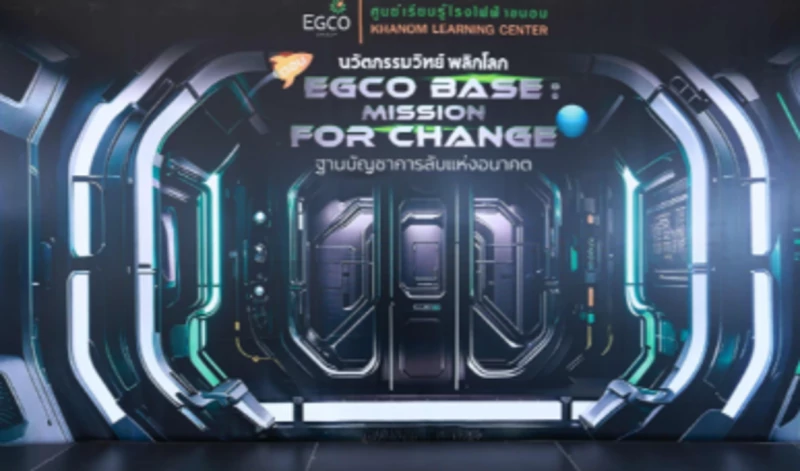
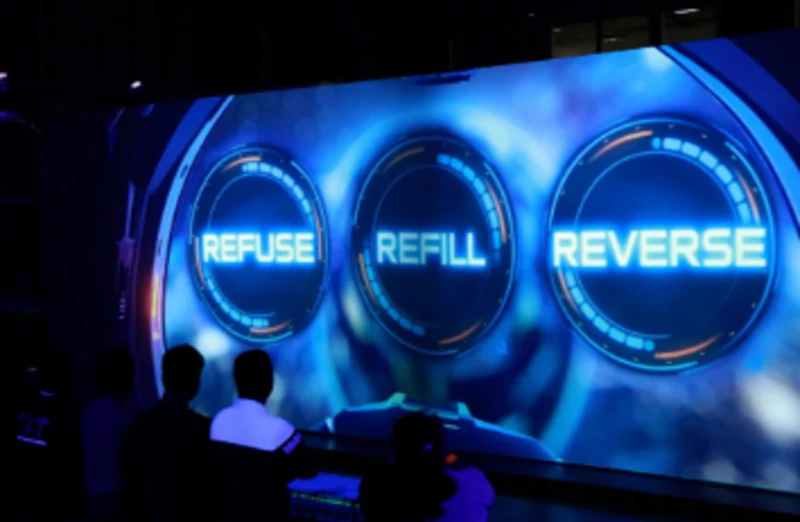
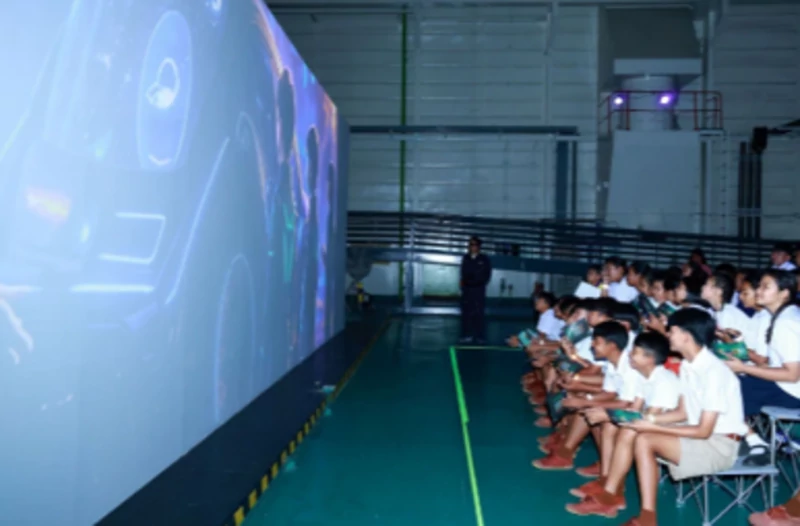
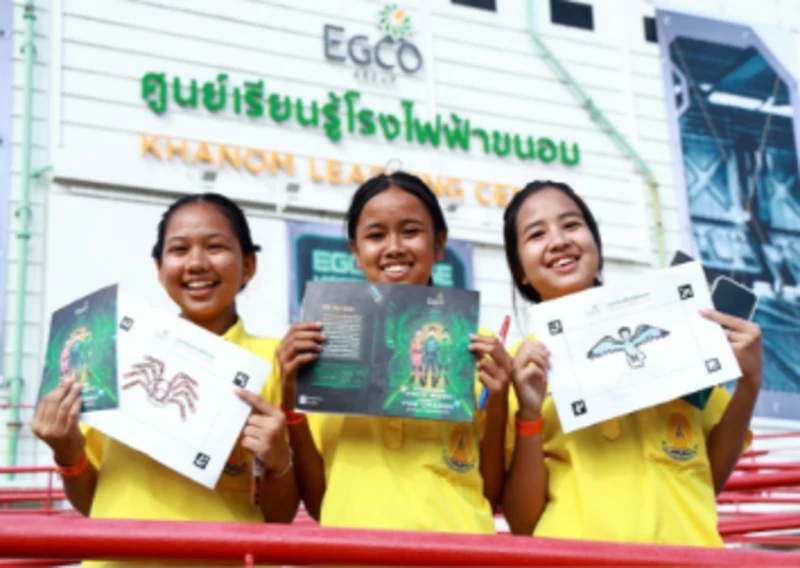
EGCO Group (Khanom Learning Center) collaborated with the National Science Museum (NSM) and the Ministry of Higher Education, Science, Research and Innovation to organize the “Scientific Innovation Discovery Journey - EGCO Base: Mission for Change” exhibition at the National Science and Technology Fair 2025 at the Queen Sirikit National Convention Center and Science Festival 2025 at the Khanom Learning Center.
The exhibition engaged youth in science and sustainability through three interactive zones of “EGCO Base Mission” introduced the Triple R concept via an AI-enabled 4D immersive theatre. “EGCO Regenerative” showcased regenerative innovations from young innovators and global sustainability ideas. “EGCO Act Now or Never!” encouraged visitors to share ideas and become “Re-Gen Hero” through AI-supported interaction, promoting scientific and innovative thinking for sustainability.
Input KPI
- Allocate resources and collaboration support from EGCO Group to develop interactive sustainability learning activities.
Output KPI
- Record number of visitors who visited the exhibition.
- Record number of schools organized field trips to the exhibition.
- Measure visitors' satisfaction.
Outcome KPI
- Increase youth awareness and engagement in science, innovation, and sustainability through participation in the exhibition activities.
- Stimulate local tourism and support the local economy.
- Collaborate with the National Science Museum and government agencies to organize the exhibition at the National Science and Technology Fair 2025.
- Design interactive learning zones using AI and immersive exhibition technologies to engage youth participation.
- Showcase youth-led regenerative innovations and encourage idea sharing on sustainability solutions.
Inspiring Youth Learning in STEAM (Science, Technology, Engineering, Arts and Mathematics)
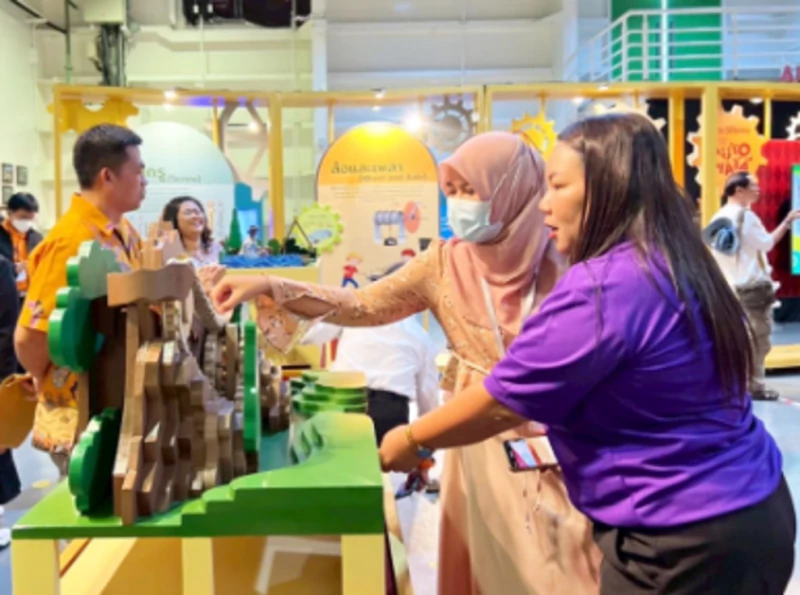
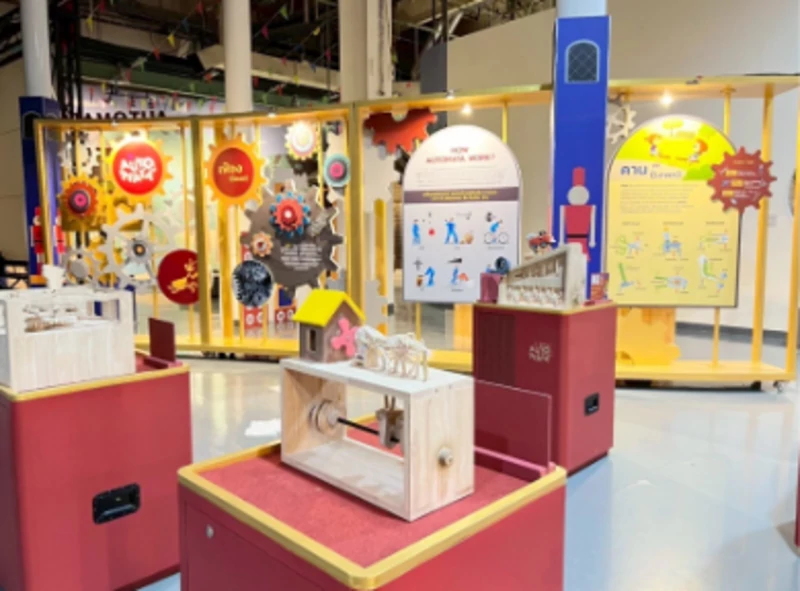
EGCO Group (Khanom Learning Center) continued to promote science, technology, innovation and environmental learning among young people throughout 2025, while positioning the Khanom Learning Center as a sustainable science learning destination in Southern Thailand.
The “Automata Wonder” Exhibition aims to emphasize and inspire interest in STEAM (Science, Technology, Engineering, Arts and Mathematics) education, which is combined with local wisdom.
Input KPI
- Allocate budget to organize and operate the exhibition activities.
Output KPI
- Record number of people visited the exhibition.
- Measure visitors' satisfaction.
Outcome KPI
- Strengthen knowledge to drive innovation and awareness of energy conservation.
- Promote creative tourism with the local Khanom community.
- Drive the learning center as a source of inspiration for science and a tourist attraction to create sustainable growth of the community in Nakhon Si Thammarat Province.
Environment
Forest Conservation Infrastructure
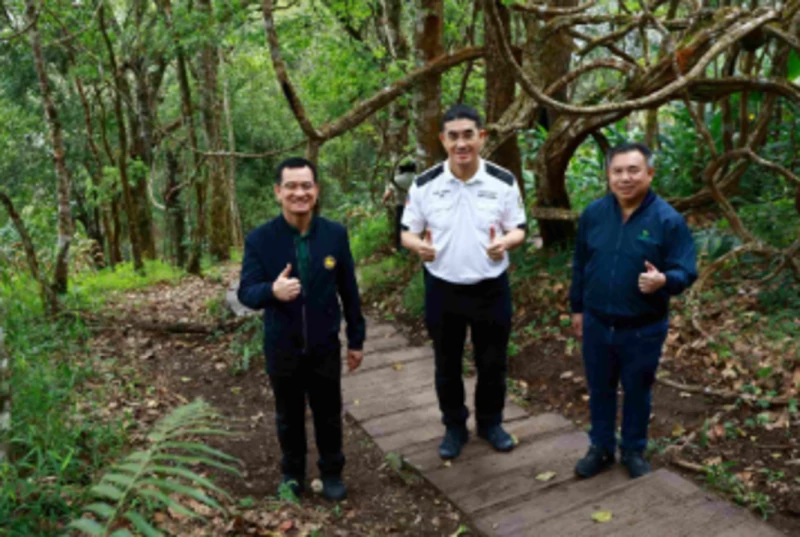
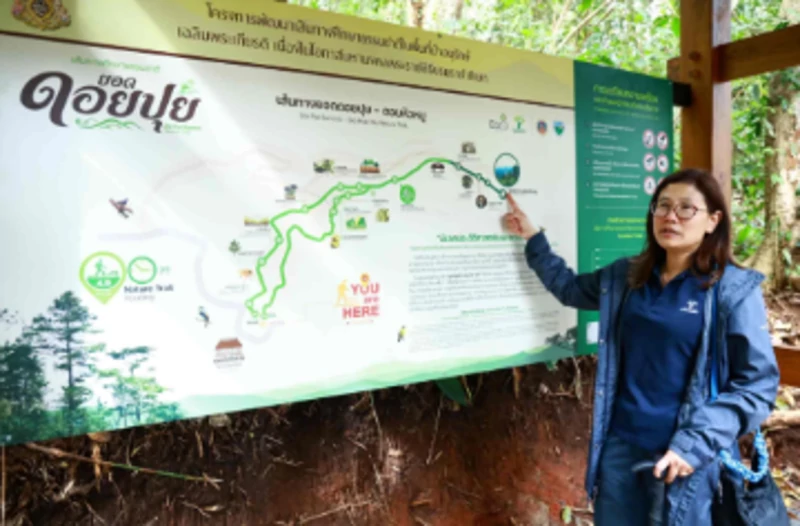
In 2025, EGCO Group (Thai Conservation of Forest Foundation (TCOF)) supported the renovation and improvement of the Doi Pui Summit Nature Trail in Doi Suthep–Pui National Park, Chiang Mai.
The project enhanced environmental learning infrastructure along approximately 5–8 kilometers of nature trails, including trailheads, observation points, and interpretive signage explaining forest ecosystems and biodiversity.
Implemented in collaboration with the Department of National Parks, Wildlife and Plant Conservation, the project aims to promote sustainable tourism and strengthen public understanding of watershed forest conservation and biodiversity promotion.
Input KPI
- Allocate budget to support the renovation and improvement of the Doi Pui Summit Nature Trail.
Output KPI
- Record the number of visitors to the renovated trail.
- Monitor area of forest restored by the Thai Conservation of Forest Foundation.
Outcome KPI
- Enhance access to watershed forest learning areas.
- Strengthen collaboration between EGCO Group, TCOF, and Suthep-Pui National Park in developing nature trails that support conservation and learning.
- Collaborate with Suthep-Pui National Park to improve and maintain the Doi Pui Summit Nature Trail.
- Upgrade trailheads, observation points, and educational signage to enhance safety and learning experiences.
- Promote the trail as a nature-based learning route that supports watershed forest conservation and environmental awareness.
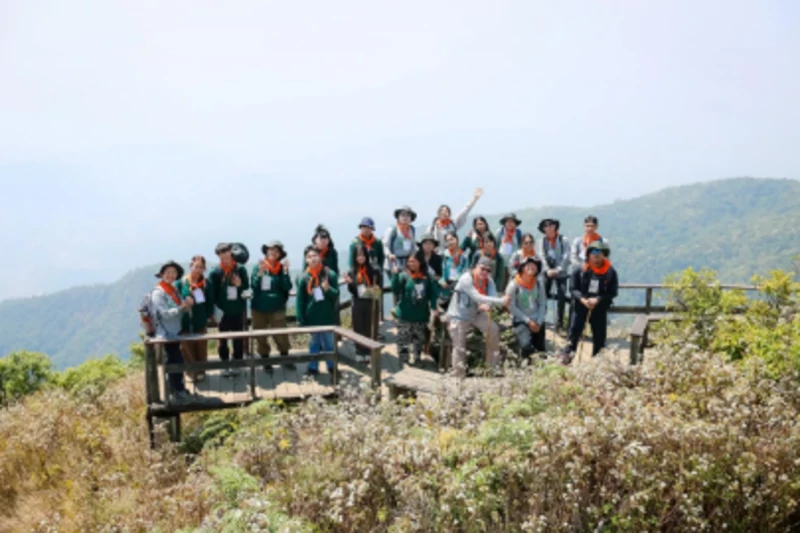
Youth Environment Education: EGCO Group Thai Rak Pa Youth Camps
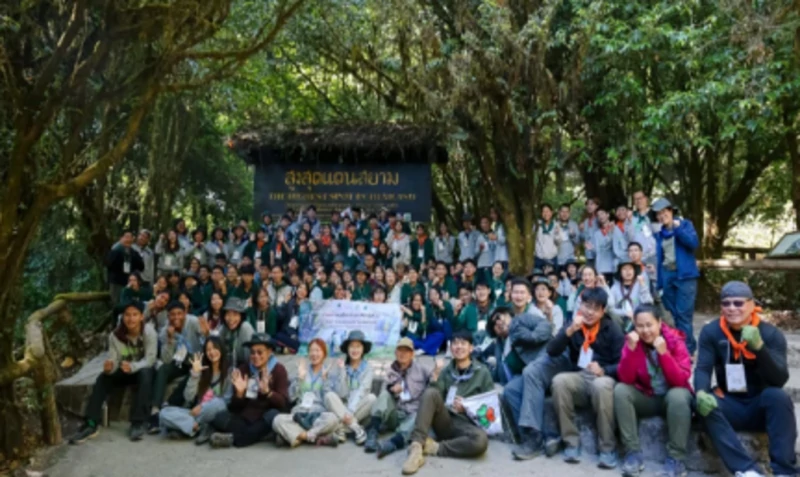
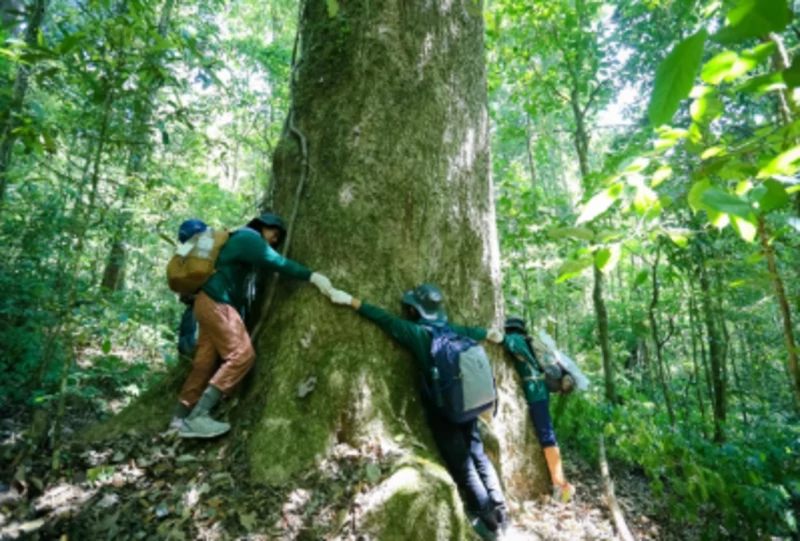
The EGCO Group Thai Rak Pa Youth Camp is an environmental education initiative organized by EGCO Group and the Thai Conservation of Forest Foundation to build environmental awareness among youth.
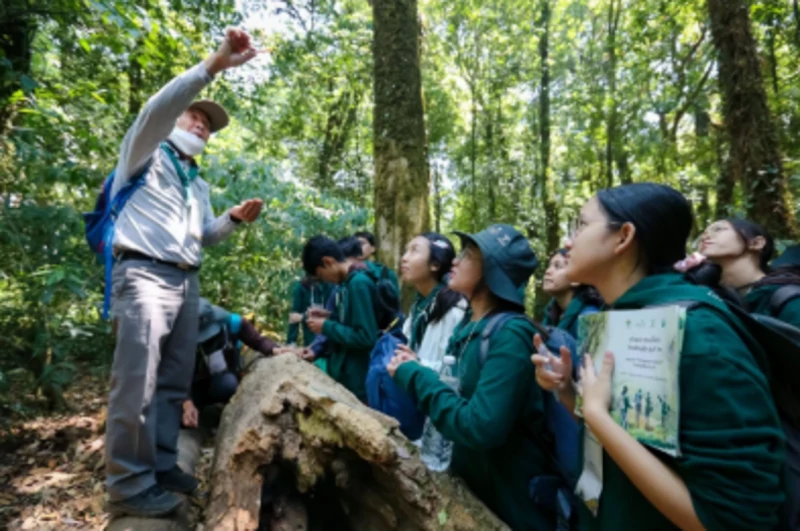
In 2025, the 60th youth camp was held at Doi Inthanon National Park, providing students with a 7-day experiential learning program on biodiversity, watershed forests, and sustainable lifestyles.
Through field-based learning and environmental activities, participants gain knowledge and practical experience in ecosystem conservation and responsible environmental behavior.
Input KPI
- Allocate budget to organize the EGCO Forest Youth Camp and related learning activities.
Output KPI
- Record number of beneficiaries (students, schools) participating in the camp.
Outcome KPI
- Increase percentage of understanding of participants regarding environmental conservation and biodiversity.
- Contribute to amount of greenhouse gases reduced through environmental awareness and sustainable behavior.
- Organize youth environmental camps in collaboration with national park authorities.
- Conduct field-based learning activities on biodiversity and watershed forests.
- Facilitate environmental activities promoting waste segregation and sustainable practices.
- Evaluate participant understanding through post-program assessments.
In addition, EGCO Group has implemented social development programs continually in collaboration with external organizations e.g. community organizations, local and national government agencies, and has joined and supported the operations of the following main sustainability networks.
EGCO Group received the “ASA Conservation Award 2024 - Category A: Conservation of Architectural Heritage and Community at Distinction level” granted by the Association of Siamese Architects under Royal Patronage (ASA). The award recognizes EGCO Group’s success in turning its power plant into a learning center about the history of power generation in southern Thailand as well as its ability to designing and developing spaces creatively to serve as an energy learning center. The learning center includes seven permanent exhibitions, covering the history of electricity, the power generation process, environmental protection, and the harmony between power plants and communities. The exhibition encourages participatory learning through interesting and advanced presentation styles.