Sustainability Projects
Waste Management 2025
Processed Waste Management
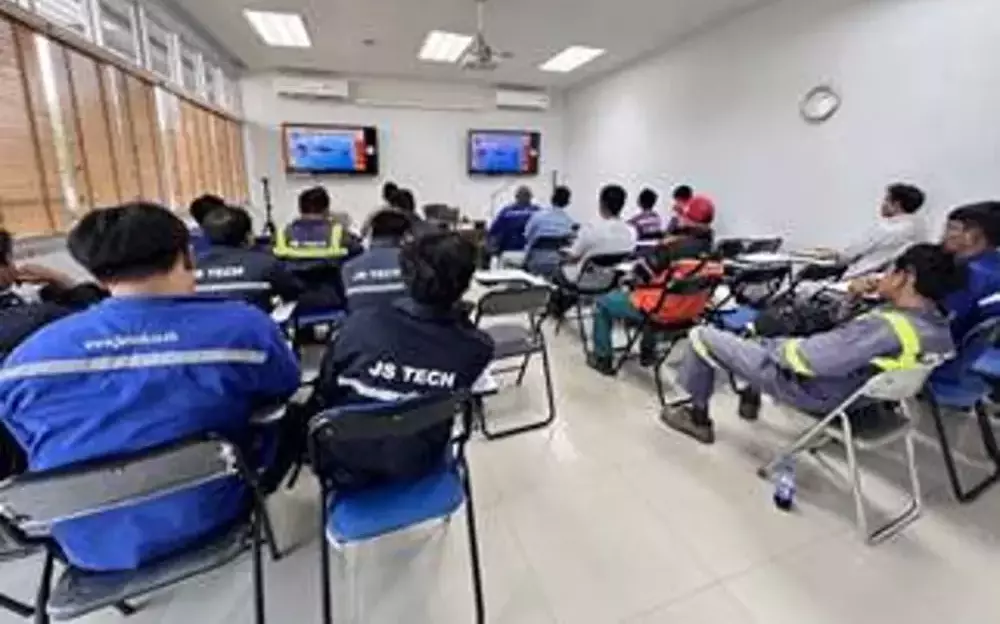
EGCO Group (Quezon Power Plant: QPL) enhances its waste management performance by strengthening the integration of recycling programs to reduce the volume of waste from own operations requiring landfill disposal.
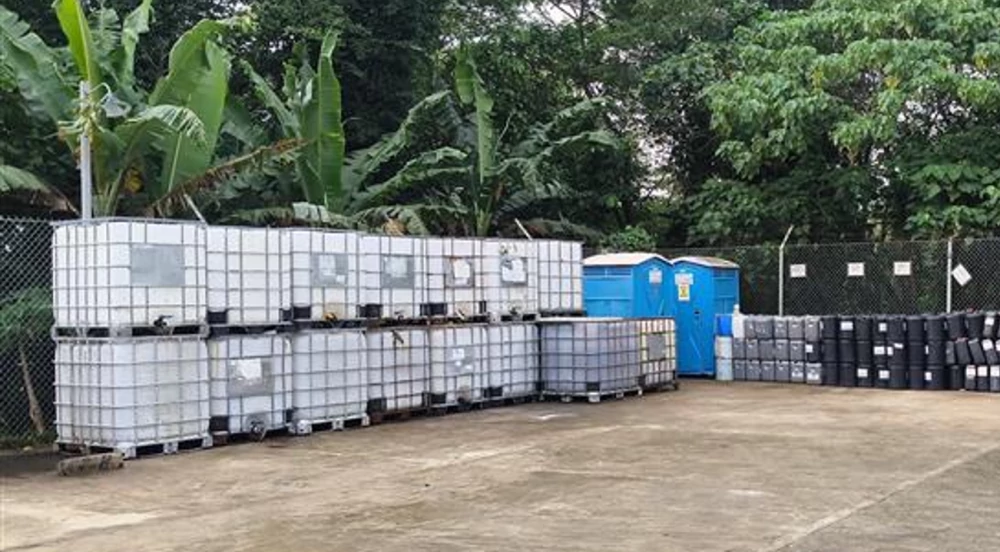
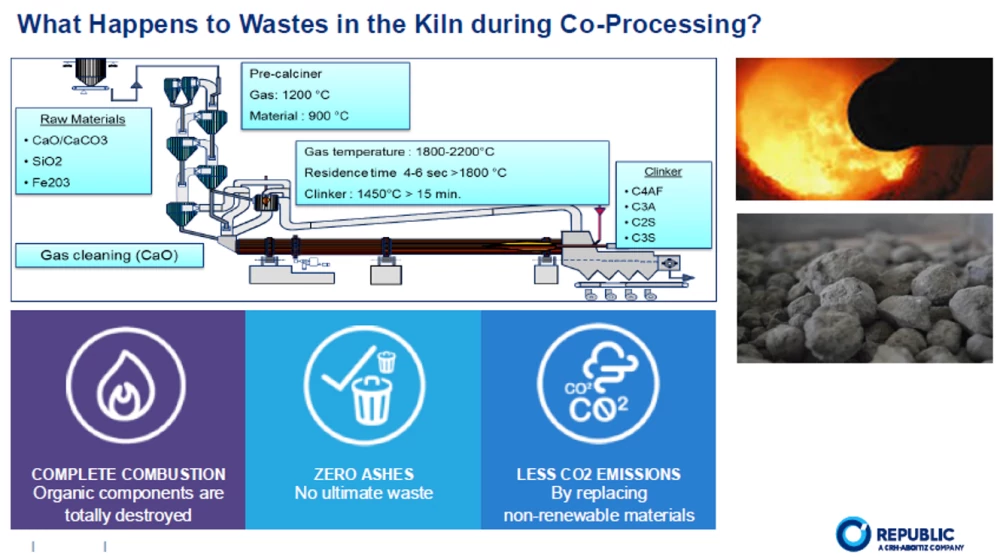
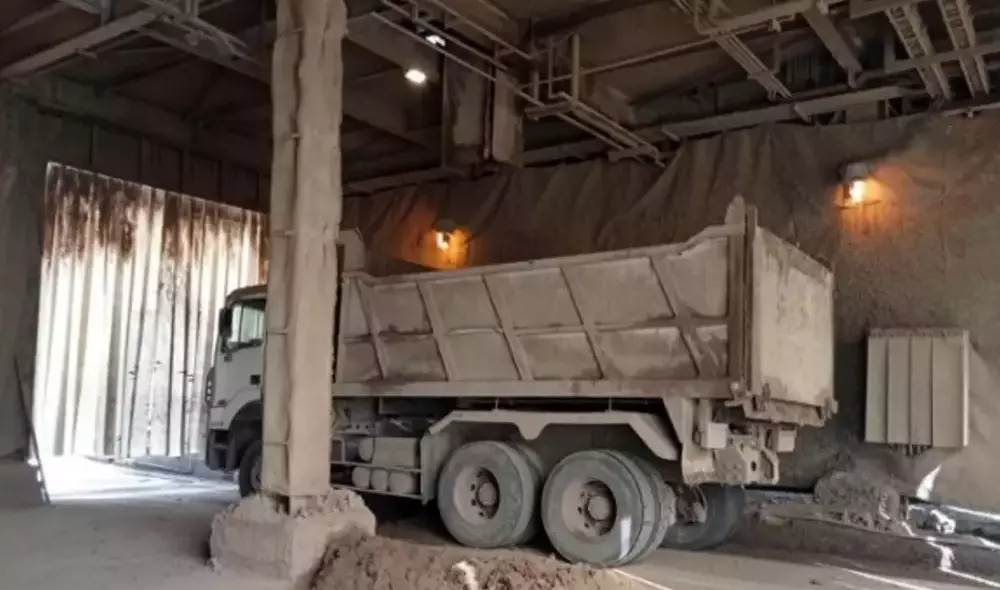
The program applies (cradle-to-cradle) principles through systematic waste segregation, material recovery, supplier take-back initiatives, and waste co-processing. This includes repurposing scrap metals and construction debris, as well as utilizing used tarpaulins as alternative fuel for cement kiln operations.
Meanwhile, hazardous waste including used chemical containers and electrical equipment is managed by licensed service providers under strict environmental control measures.
In 2025, 80.21% of non-hazardous waste and 79.73% of hazardous waste were successfully recycled, avoiding approximately 2,743.94 tCO₂e in greenhouse gas emissions.
Benefits of the Project
- Reduce landfill dependency and avoid greenhouse gas emissions through effective waste diversion.
- Enhance resource efficiency by reintegrating usable materials into the system and minimizing the use of virgin resources.
Implementation Approach
- Implement waste segregation, recycling, and co-processing initiatives.
Research and Development for Waste Minimization and Value Creation
EGCO Group advances circular economy practices through investments in innovation and R&D resources to minimize waste.
BLCP Power Plant (BLCP) collaborated with Chulalongkorn University to develop value-added applications for combustion by-products, including patented temperature-reducing bricks using bottom ash and feasibility studies on ash-based concrete blocks.
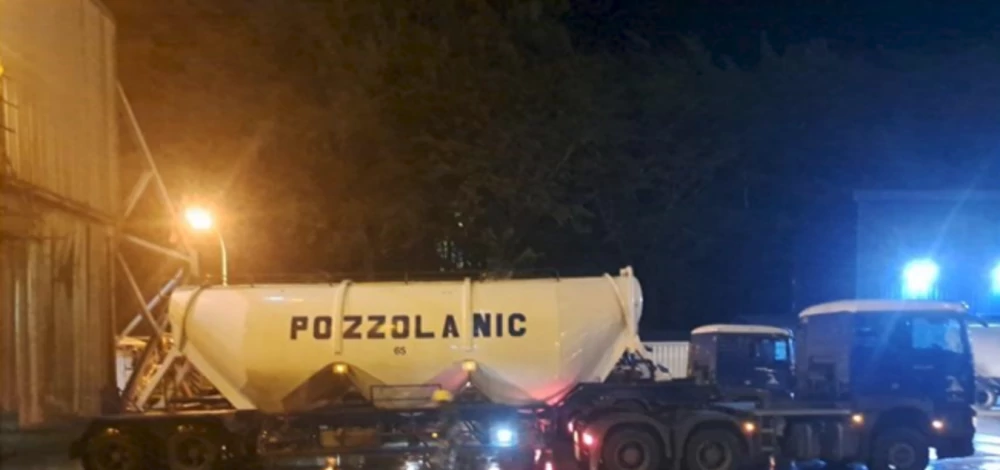
In parallel, Quezon Power Plant (QPL) strengthened ash management through technical characterization, controlled storage design, and recycling of fly ash for cement production and road base use. In 2025, QPL recycled and reused 11,260 tons of ash, avoiding approximately 31,865.97 tCO2e in greenhouse gas emissions and effectively mitigating onsite storage constraints.
Benefits of the Project
- Enhance resource efficiency and reduce ash disposal.
- Support circular economy value creation by repurposing combustion by-products.
Implementation Approach
- Collaborate on R&D initiatives to develop and scale value-added applications for ash by-products.
Organic Waste Recycling
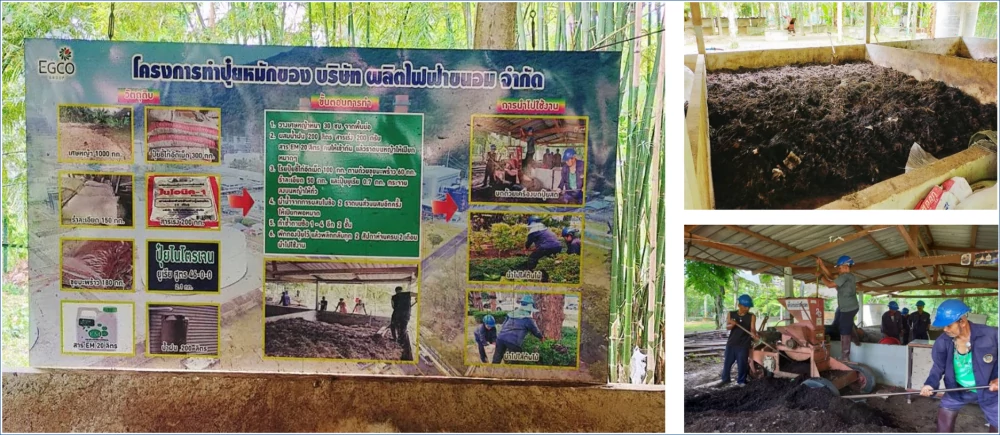
EGCO Group strengthens its commitment to responsible waste management by integrating recycling initiatives to reduce waste from own operations sent to landfill. EGCO Group actively promotes resource circularity by repurposing organic waste into organic fertilizers
Khanom Power Plant (KEGCO) continues its organic composting program, converting fallen leaves, grass, and other organic matter from the plant’s premises into organic fertilizer. In 2025, KEGCO produced over 8,000 kilograms of organic fertilizer.
BLCP Power Plant (BLCP) has enhanced its internal organic waste management by utilizing Black Soldier Fly (BSF) larvae to decompose food waste into high-quality protein and organic fertilizer. This process is five times more efficient than traditional composting, capable of completing the decomposition within just 12 hours. This initiative effectively reduces the volume of waste sent to landfills by more than 20 tons per year
These projects not only increase resource efficiency in line with Circular Economy principles but also contribute to a tangible reduction in greenhouse gas emissions.
Benefits of the Project
- Reduce landfill disposal and mitigate methane gas risks through organic waste recycling.
- Enhance resource efficiency by substituting chemical fertilizers with organic compost.
Implementation Approach
- Convert landscape and organic waste into compost to substitute chemical fertilizers and promote onsite resource circulation.
- Utilize the Black Soldier Fly (BSF) process to convert food waste into animal feed protein and organic compost.
Cultivating Waste Reduction Practices
EGCO Group is committed to reducing waste generation by enhancing awareness and promoting responsible practices.
A key action to reduce waste generation is the EGCO Ecosystem initiative, which has been implemented at EGCO Group headquarters and across all 13 power plants. In 2025, Khanom Power Plant (KEGCO) further expanded the initiative to three community schools to foster waste reduction awareness among youth.
The program focuses on proper waste segregation, reducing single-use plastics, and responsible waste management practices. In addition, waste reduction training was provided to employees, contractors, and housekeeping staff through on-site training sessions, digital learning platforms, and internal communication channels for proper waste management.
Benefits of the Project
- Raise awareness on waste generation reduction among employees, contractors, and housekeeping staff.
- Divert 90.87% of waste to recycling processes.
Implementation Approach
- Conduct training on waste segregation, supported.
- Provide labelled waste containers to ensure proper waste segregation.