Sustainability Projects
Energy Management 2025
Reduction of Energy Use Through the Maintenance
EGCO Group implemented actions to reduce energy consumption in the power generation processes of Paju Energy Service (Paju ES) and Khanom Power Plant (KEGCO) by enhancing equipment efficiency and minimizing energy losses within their operational systems.
At Paju ES, a Motor Inverter was installed on the Boiler Feed Water Pump (BFP) to regulate pump speed in accordance with operating load conditions, thereby reducing the plant auxiliary load. Meanwhile, KEGCO installed insulation jackets on bellow seal to minimize heat loss within the steam system.
As a result, Paju ES achieved an electricity consumption reduction of approximately 8%–10%, while KEGCO reduced natural gas consumption by approximately 3,605 MMBTU per year.
Benefits of the Project
- Minimize electricity consumption in auxiliary power systems.
- Optimize steam system efficiency to reduce natural gas consumption.
Implementation Approach
- Install Motor Inverter for Boiler Feed Water Pump to optimize pump efficiency.
- Install thermal insulation jackets for Bellow Seals to minimize heat loss in steam system.


Generating and Using Electricity from Solar Energy
EGCO Group promotes the use of clean energy to lower its dependence on purchased power and fossil fuel-based electricity.
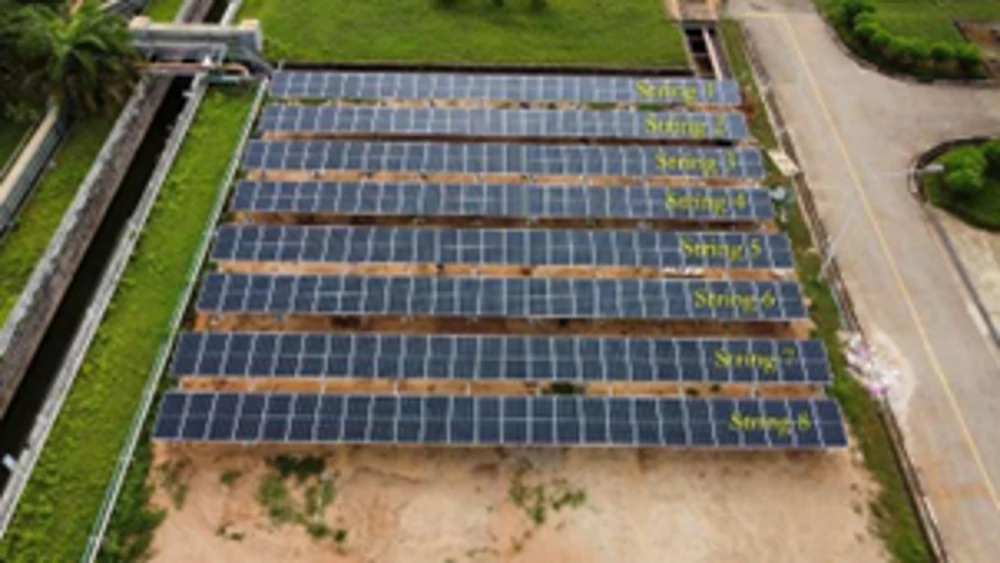
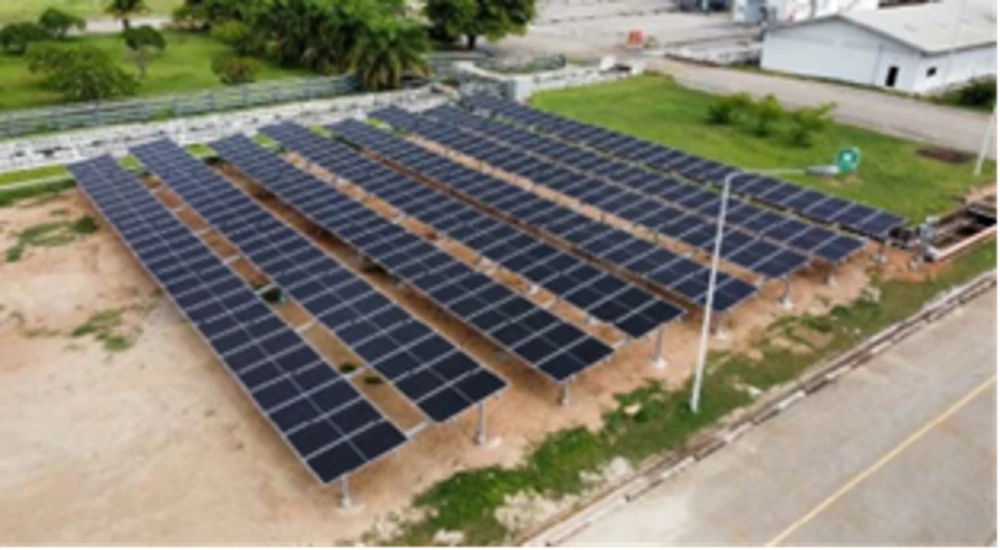
In June 2025, Khanom Power Plant (KEGCO) commenced the operation of a 100 kWp solar PV system for internal consumption, aligning with the EGCO Group's commitment to low-carbon transition.
Benefits of the Project
- Support clean energy utilization to reduce reliance on conventional electricity sources.
- Reduce carbon dioxide emissions by 41.47 tCO2 during June to December 2025.
Implementation Approach
- Install solar panels with a capacity of 100 kWp.
Innovation Investment to Improve Operational Energy
EGCO Group places importance on investments in innovation and research and development (R&D) to decrease energy consumption to continuously enhance the efficiency of power generation processes.
In 2025, Quezon Power Plant (QPL) invested in improving boiler efficiency and the combustion process. These initiatives included combustion air balancing, airflow measurements, and adjustments to burner and furnace operating parameters to optimize the air-fuel mixture and reduce heat losses. In addition, excess oxygen tuning, flue gas monitoring, and coal fineness adjustments were conducted to further enhance combustion efficiency.
These initiatives reduced the plant’s heat rate by up to 200 BTU/kWh, resulting in decreased fuel consumption and improved overall energy efficiency.
Benefits of the Project
- Improve energy efficiency in power generation through optimized combustion performance.
- Reduce fuel consumption by improving boiler heat rate performance.
Implementation Approach
- Conduct combustion performance assessments through airflow measurement and combustion air balancing.
- Optimize boiler operating parameters including excess oxygen levels and coal fineness.


Raising Awareness of Effective Energy Consumption
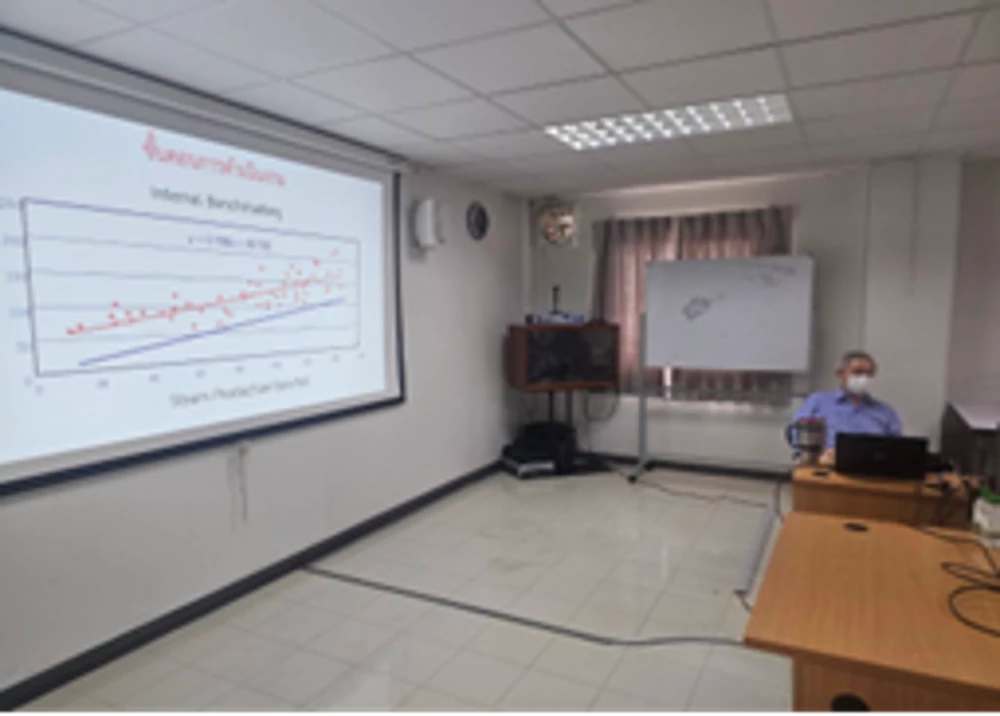
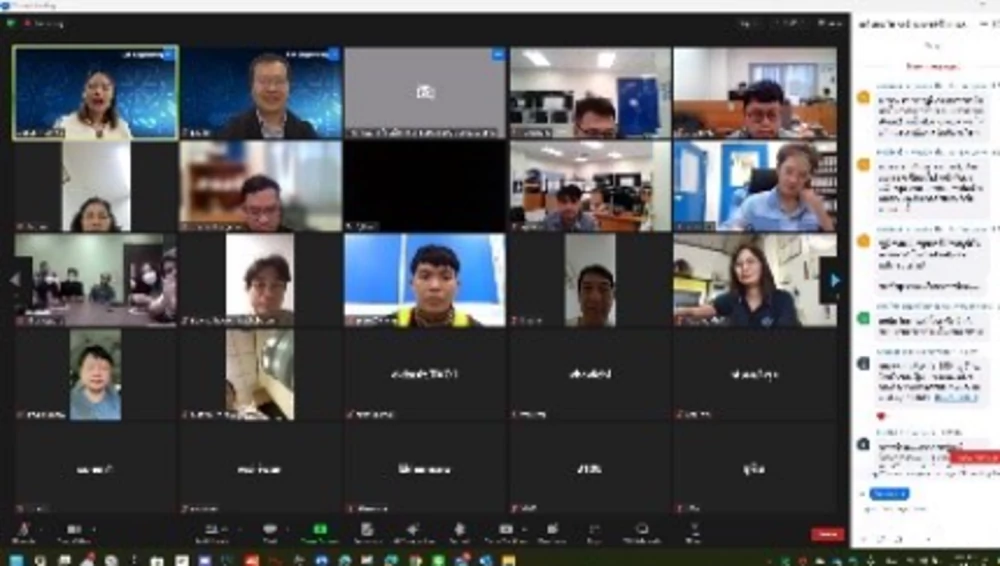
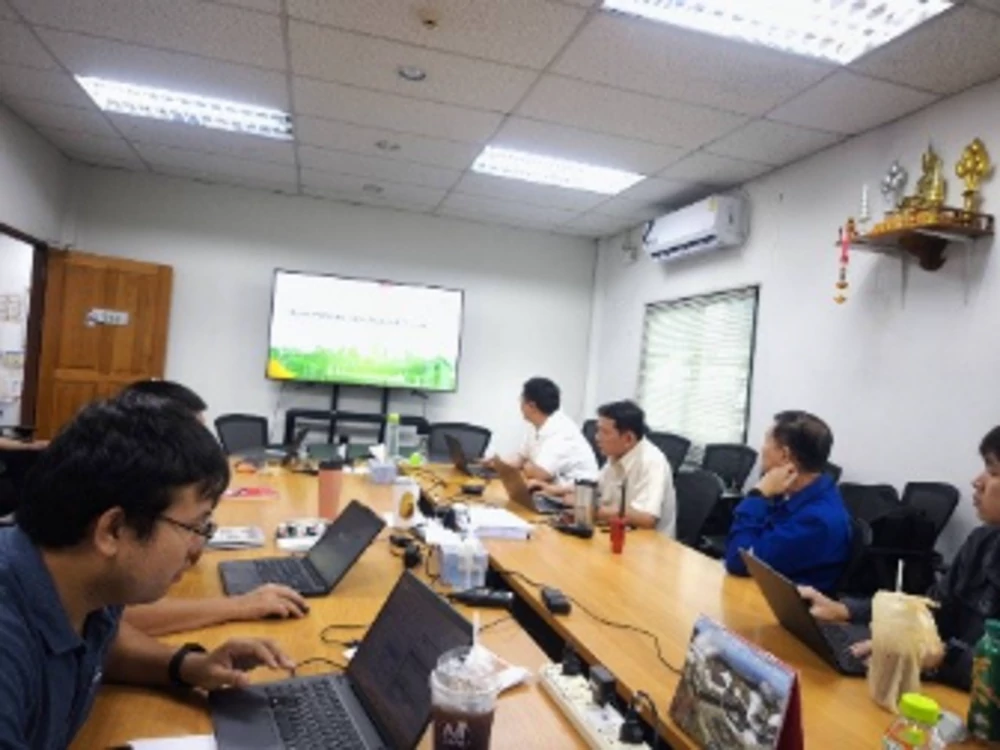
As part of effective energy management, EGCO Group provides energy efficiency training for employees to raise awareness of energy consumption reduction across its power plants, including Khanom Power Plant (KEGCO), Khlong Luang Utility Power Plant (KLU), EGCO Cogeneration Power Plant (EGCO Cogen), and Ban Pong Utility Power Plant (BPU).
The training topics include:
- Energy conservation for gas turbine air intake filtration systems
- Combustion tuning technology for gas turbines
- Process control for Heat Recovery Steam Generators (HRSG)
- Annual boiler operation reviews
- Waste heat recovery
With over 100 participants, the training, strengthens energy management practices and promotes responsible energy utilization across EGCO Group’s operations.
Benefits of the Project
- Enhance employee knowledge on energy conservation and energy efficiency within power generation operations.
- Strengthen employee engagement in organizational energy conservation initiatives.
Implementation Approach
- Organize energy efficiency training on operational technologies and energy conservation practices for employees.
- Promote knowledge sharing on energy efficiency and greenhouse gas (GHG) emission reduction through technical training programs.